
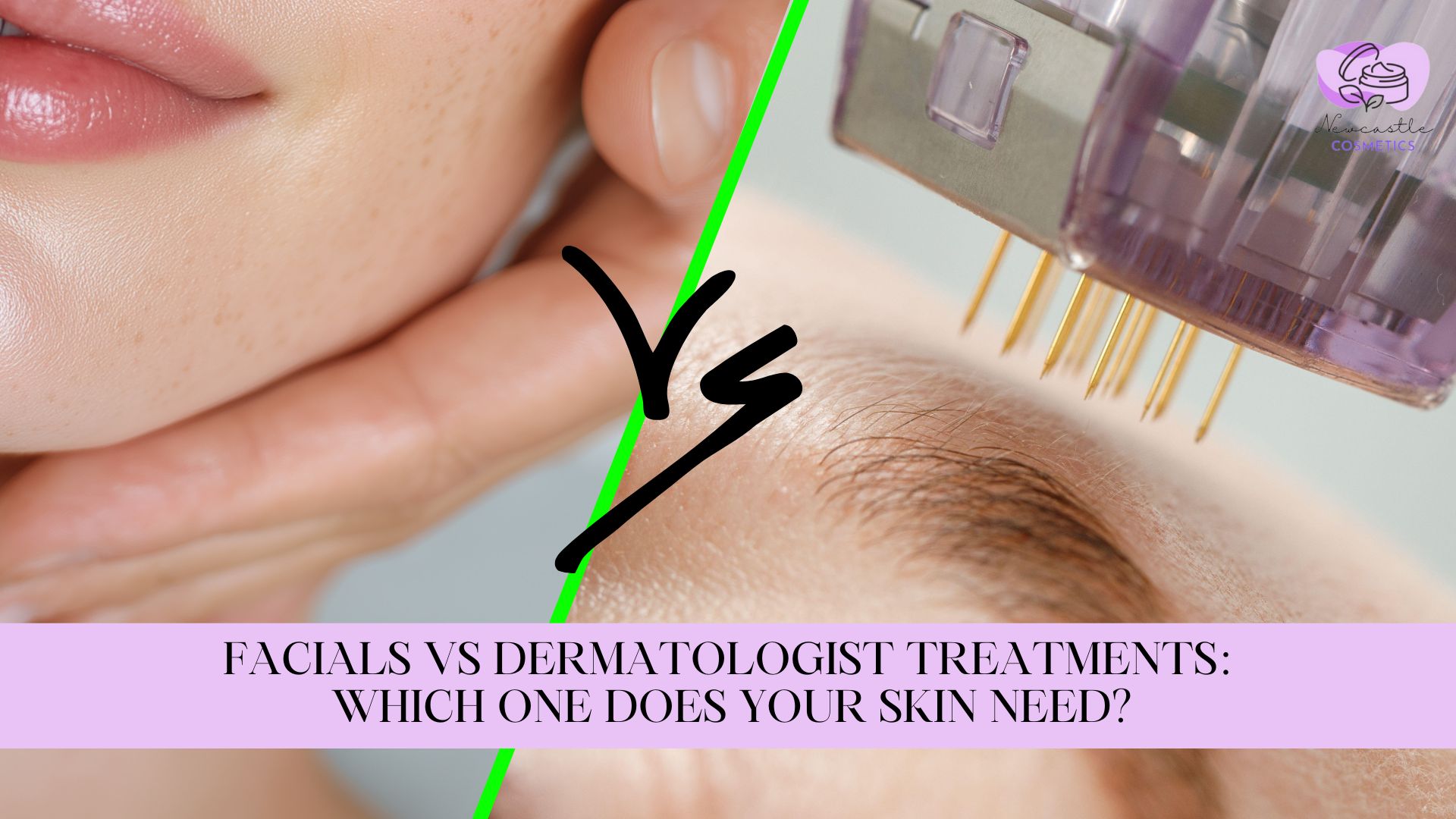
Choosing between a facial and a dermatologist treatment depends on your skin’s condition and goals. Facials focus on cleansing, hydration, and relaxation, while dermatologist treatments address medical skin concerns like acne, pigmentation, or eczema. Many people start with facials and later consult dermatologists when they want targeted results. Understanding the difference helps you invest in the right care for your skin. With the right choice, you can maintain healthy, radiant skin more effectively.
What’s the Main Difference Between a Facial and a Dermatologist Treatment?
The main difference lies in purpose and expertise. Facials are cosmetic treatments performed by skincare specialists to cleanse, exfoliate, and refresh your skin. Dermatologist treatments, however, are medical-grade procedures carried out by licensed doctors to diagnose and treat skin conditions. While both improve skin health, dermatologists can prescribe stronger products or therapies for deeper issues. Knowing this difference ensures you choose the right level of care.
How Do Professional Facials Improve Skin Health?
Professional facials help maintain your skin’s balance by removing impurities and promoting hydration. They use gentle exfoliation, massage, and targeted masks to boost circulation and relaxation. Regular facials can prevent clogged pores, improve texture, and support your overall complexion. These treatments are ideal for routine upkeep and mild skin concerns. With consistent sessions, facials help your skin stay refreshed and glowing.
What Does a Dermatologist Do That a Beautician Can’t?
A dermatologist diagnoses and treats medical skin conditions using clinical tools and prescription-based products. They can manage chronic issues like rosacea, severe acne, and pigmentation disorders. Dermatologists also perform advanced procedures such as laser therapy or microneedling under controlled conditions. Their expertise ensures treatments are safe, especially for sensitive or problematic skin. Consulting a dermatologist is best when you need corrective or long-term care.
Which Skin Concerns Can Facials Actually Fix?
Facials are best for surface-level concerns such as dryness, dullness, or clogged pores. They enhance skin tone and improve hydration without irritating. While they can help with mild breakouts, they don’t treat deeper medical conditions. Facials are perfect for maintaining healthy skin between dermatologist visits. When paired with a good skincare routine, they help preserve a radiant complexion.
What Skin Problems Require a Dermatologist’s Care?
Dermatologists are essential for treating chronic or severe conditions such as acne, eczema, and pigmentation. They can also address scars, ageing concerns, and allergies that facials can’t fix. Their ability to diagnose underlying causes makes their treatments more targeted and lasting. For issues that keep returning despite facials or over-the-counter products, a dermatologist is the right choice. This distinction ensures effective treatment instead of temporary relief.
Can You Combine Facials and Dermatologist Treatments for Better Results?
Yes, combining facials and dermatologist treatments can produce excellent results. Regular facials maintain surface health, while dermatologist procedures target deeper issues. For example, facials can prepare your skin for treatments like chemical peels or laser therapy by keeping it clean and balanced. However, timing and compatibility matter to avoid irritation. Following professional advice ensures both treatments work together safely and effectively.
Are Facials Safe for All Skin Types?
Most facials are safe when tailored to your skin type and performed by trained professionals. Sensitive or acne-prone skin may need gentle products and techniques. Communicating your skin history helps prevent reactions. A patch test before certain treatments is always recommended. Choosing reputable clinics ensures that facials remain soothing and beneficial for your skin.
Are Dermatologist Treatments More Effective or Just More Expensive?
Dermatologist treatments are usually more effective because they address the root cause of skin problems. They may cost more, but the results are often long-lasting and medically supervised. The price reflects the expertise, technology, and precision involved. For ongoing conditions, this investment can save money in the long term. If your goal is transformation rather than maintenance, dermatologist care is worth considering.
How Long Do Results from Each Treatment Last?
Facial results typically last one to two weeks, depending on your skincare habits and lifestyle. Dermatologist treatments, however, can deliver longer-term improvements that may last months. Factors such as age, environment, and daily skincare all affect durability. Regular maintenance visits help preserve results from both treatments. Combining consistent at-home care with professional advice ensures lasting radiance.
What Do Skincare Experts in Newcastle Recommend?
Skincare experts in Newcastle recommend evaluating your goals before choosing between facials and dermatologist treatments. For general maintenance, monthly facials are ideal. For targeted issues like scarring or pigmentation, dermatologist treatments are more effective. Many clients benefit from alternating between both approaches. A consultation with a professional can help you decide the right balance for your skin.
How Can Newcastle Cosmetics Help You Find the Right Skincare Treatment?
Newcastle Cosmetics offers a range of professional facial and dermatologist-led skincare treatments tailored to your individual needs. Our team combines medical expertise with advanced skincare techniques to deliver safe, visible results. Whether you’re seeking relaxation, rejuvenation, or corrective care, we customise every session to your skin goals. Our treatments are designed to enhance your natural glow and confidence. With expert guidance, you can achieve healthier, more balanced skin that lasts.
Finding the Right Balance for Healthy, Glowing Skin
Facials and dermatologist treatments both have a place in achieving clear, radiant skin. Facials provide regular upkeep and hydration, while dermatologists address deeper or recurring concerns. The best results often come from combining both approaches under professional guidance. Avoiding common skincare mistakes also helps ensure that every treatment supports your long-term skin health. Understanding your skin’s unique needs ensures every treatment supports long-term health. With the right plan, your skin can look and feel its best all year round.